Imagen principal
Dirección
Plaza de los Fueros 5 (Oficina de Turismo)
Teléfono
948 84 80 58
Galería de imágenes
Categoría
Ubicación
42.06334, -1.60551
Descripción corta
Discover the Vetula Jewish Quarter and the New Jewish Quarter
Descripción larga
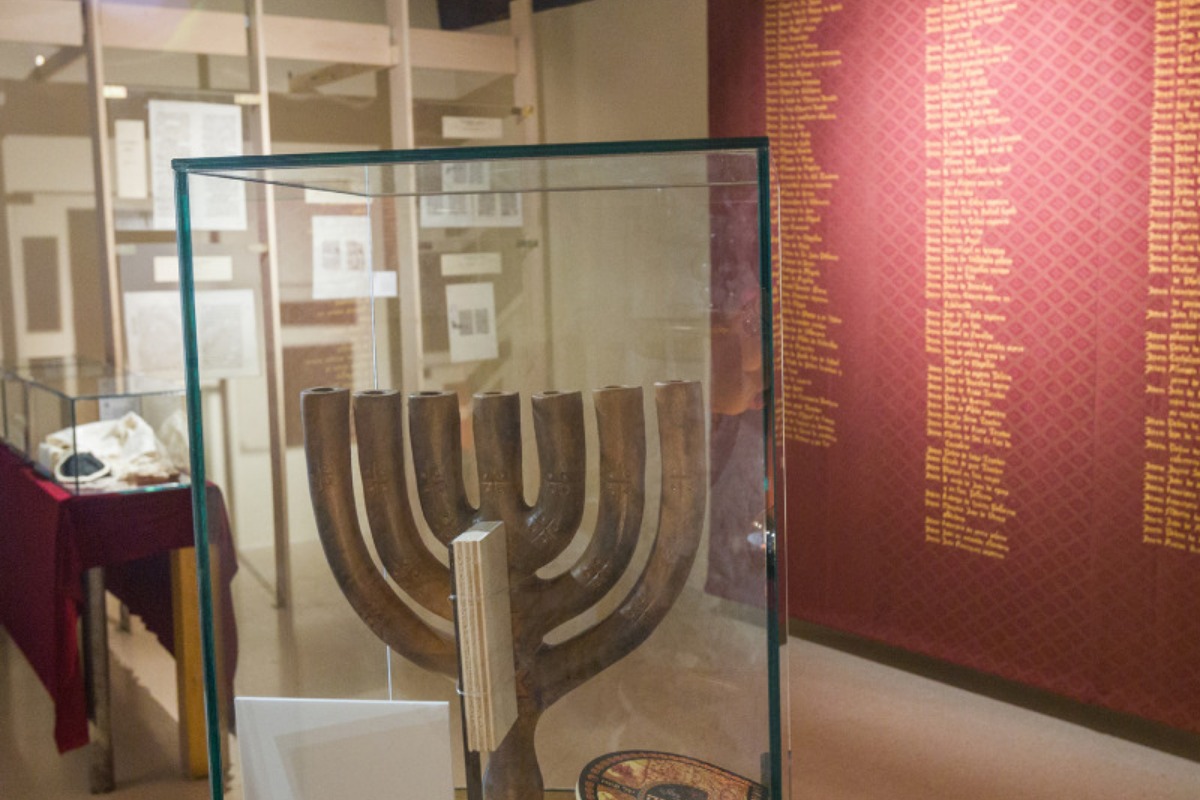
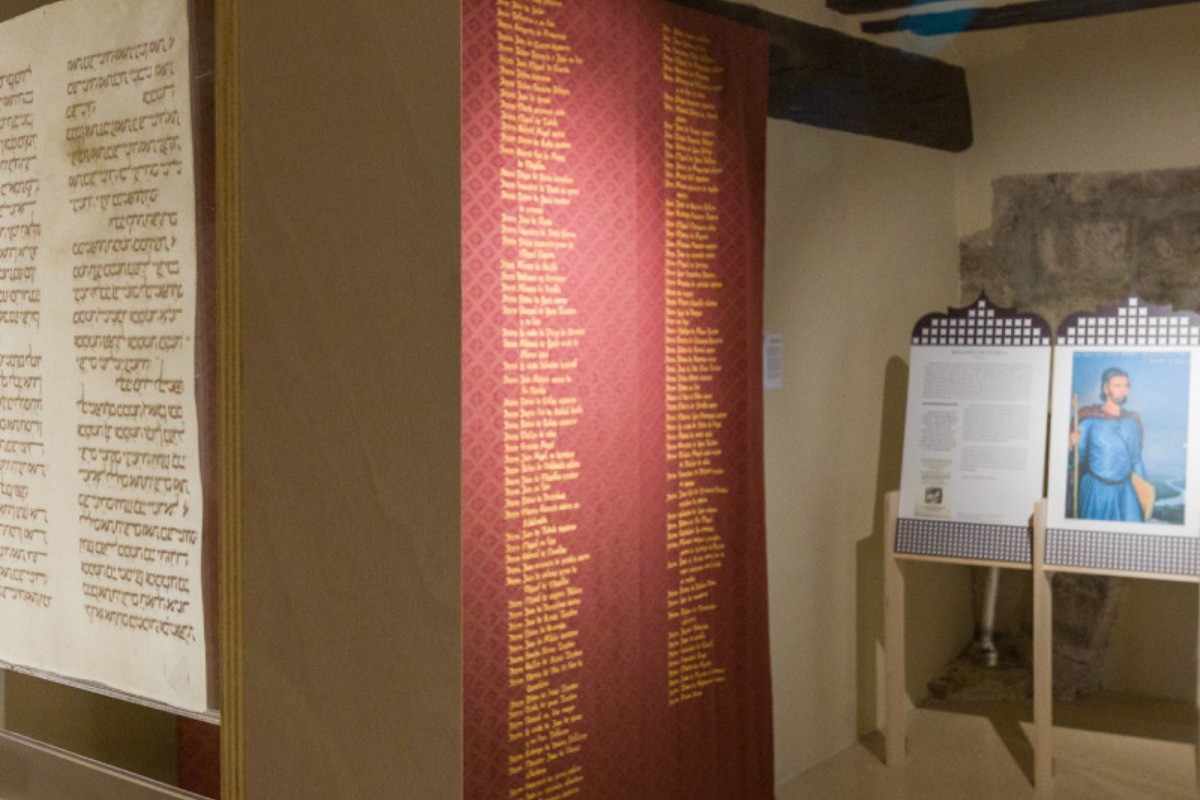
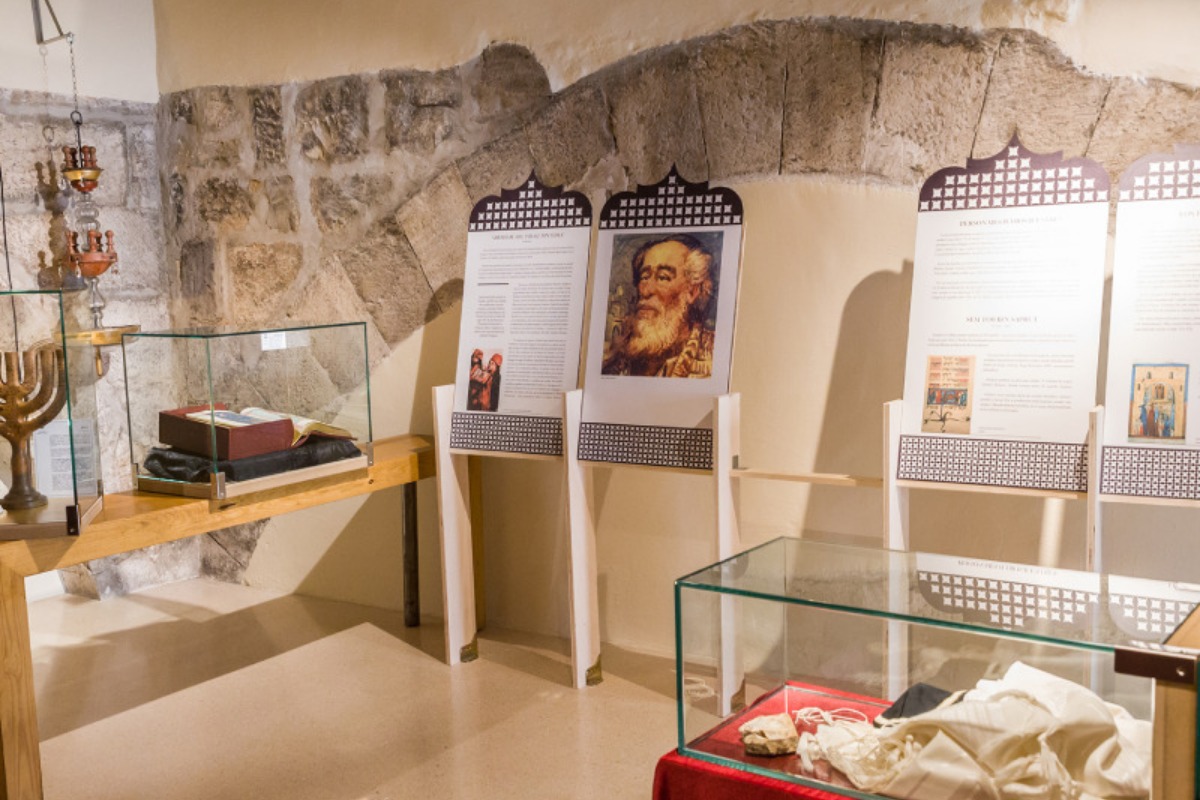
Photographs from the Tudela Museum.
Tudela was founded by the Arabs at the beginning of the 9th century, becoming in the 10th and 11th centuries the third city of the Upper March of Al-Andalus, becoming dependent on the Muslim taifa of Zaragoza and standing out as a cultural centre of the first magnitude, highlighting both its Koranic and rabbinic schools.
The first Israelite communities settled in Tudela from the very beginning of its foundation, probably coming from Tarazona due to the need for artisan services.
Vetula Jewish Quarter:
It seems that the Jewish population came to Tudela attracted by the strong political and economic power that the city acquired during the 9th century, immediately after its Islamic foundation.
This is a Jewish quarter that presents a problematic location, since it was traditionally thought to have been grouped in the area southeast of the wall near the Queiles River. However, archaeological excavations in recent decades have ruled out this location, moving it to the streets of Magallón, Cortés, and Huerto del Rey.
It was undoubtedly a populous Jewish quarter, experiencing a period of significant splendor. The most important legacy of the Vetulia Jewish quarter of Tudela is the illustrious figures born there: the traveler Benjamin of Tudela, the multifaceted Abraham ben Ezra, and the poet and philosopher Yehudah ha-Levi.
New Jewish Quarter:
In 1170, King Sancho VI the Wise of Navarre decreed the transfer of the Jewish quarter to a new location, next to the castle walls, whose custody and repairs he entrusted to them in exchange for tax exemptions and other prerogatives, in addition to providing them with better protection.
Unlike the Old Jewish Quarter, the New Jewish Quarter is better located, as more documentation is available.
All historians and archaeologists place it within the castle walls until population growth overflowed these boundaries during the 13th and 14th centuries, causing it to be located next to the neighborhoods of various Christian parishes near the fortification. San Pedro, San Miguel, and San Salvador are names of streets and squares that still exist today, where the Jewish population may have reached, even mingling with the Christian population. At least two synagogues are documented: the Major and the Minor, whose locations are unknown. The documents mention two areas within the Jewish quarter, known as La Planilla and La Puyada de la Planilla or del Castillo.
Tudela was founded by the Arabs at the beginning of the 9th century, becoming in the 10th and 11th centuries the third city of the Upper March of Al-Andalus, becoming dependent on the Muslim taifa of Zaragoza and standing out as a cultural centre of the first magnitude, highlighting both its Koranic and rabbinic schools.
The first Israelite communities settled in Tudela from the very beginning of its foundation, probably coming from Tarazona due to the need for artisan services.
Vetula Jewish Quarter:
It seems that the Jewish population came to Tudela attracted by the strong political and economic power that the city acquired during the 9th century, immediately after its Islamic foundation.
This is a Jewish quarter that presents a problematic location, since it was traditionally thought to have been grouped in the area southeast of the wall near the Queiles River. However, archaeological excavations in recent decades have ruled out this location, moving it to the streets of Magallón, Cortés, and Huerto del Rey.
It was undoubtedly a populous Jewish quarter, experiencing a period of significant splendor. The most important legacy of the Vetulia Jewish quarter of Tudela is the illustrious figures born there: the traveler Benjamin of Tudela, the multifaceted Abraham ben Ezra, and the poet and philosopher Yehudah ha-Levi.
New Jewish Quarter:
In 1170, King Sancho VI the Wise of Navarre decreed the transfer of the Jewish quarter to a new location, next to the castle walls, whose custody and repairs he entrusted to them in exchange for tax exemptions and other prerogatives, in addition to providing them with better protection.
Unlike the Old Jewish Quarter, the New Jewish Quarter is better located, as more documentation is available.
All historians and archaeologists place it within the castle walls until population growth overflowed these boundaries during the 13th and 14th centuries, causing it to be located next to the neighborhoods of various Christian parishes near the fortification. San Pedro, San Miguel, and San Salvador are names of streets and squares that still exist today, where the Jewish population may have reached, even mingling with the Christian population. At least two synagogues are documented: the Major and the Minor, whose locations are unknown. The documents mention two areas within the Jewish quarter, known as La Planilla and La Puyada de la Planilla or del Castillo.
Destacado
Desactivado