Imagen principal
Distancia
25.17
Desnivel positivo
46.00
Desnivel negativo
46.00
Altitud máxima
327.00
Altitud mínima
247.00
Archivo KML
Ubicacion donde empieza la ruta
42.06735, -1.60715
Horas de recorrido
4
Minutos de recorrido
8
Tipo de ruta
Tipo de circuito
Dificultad técnica
Descripción corta
Tour along the banks of the Ebro
Descripción larga
This route covers almost 30 kilometers. It can be done by car, bicycle, or on horseback, with no significant elevation gain. Short walks are also available to observe some interesting sights.
We begin the route at Cerro de Santa Bárbara, a viewpoint overlooking the city of Tudela, the river, its orchards, and groves. After descending the hill, we enter the Mejana, a small expanse of micro-plotted orchards, cultivated since the Arab era and the source of our wonderful typical Tudela garden products (asparagus, artichokes, lettuce hearts, borage, broad beans, etc.). From here, we reach the foot of the Las Norias Dam. We continue towards the Soto de los Tetones, currently occupied by extensive rice fields.
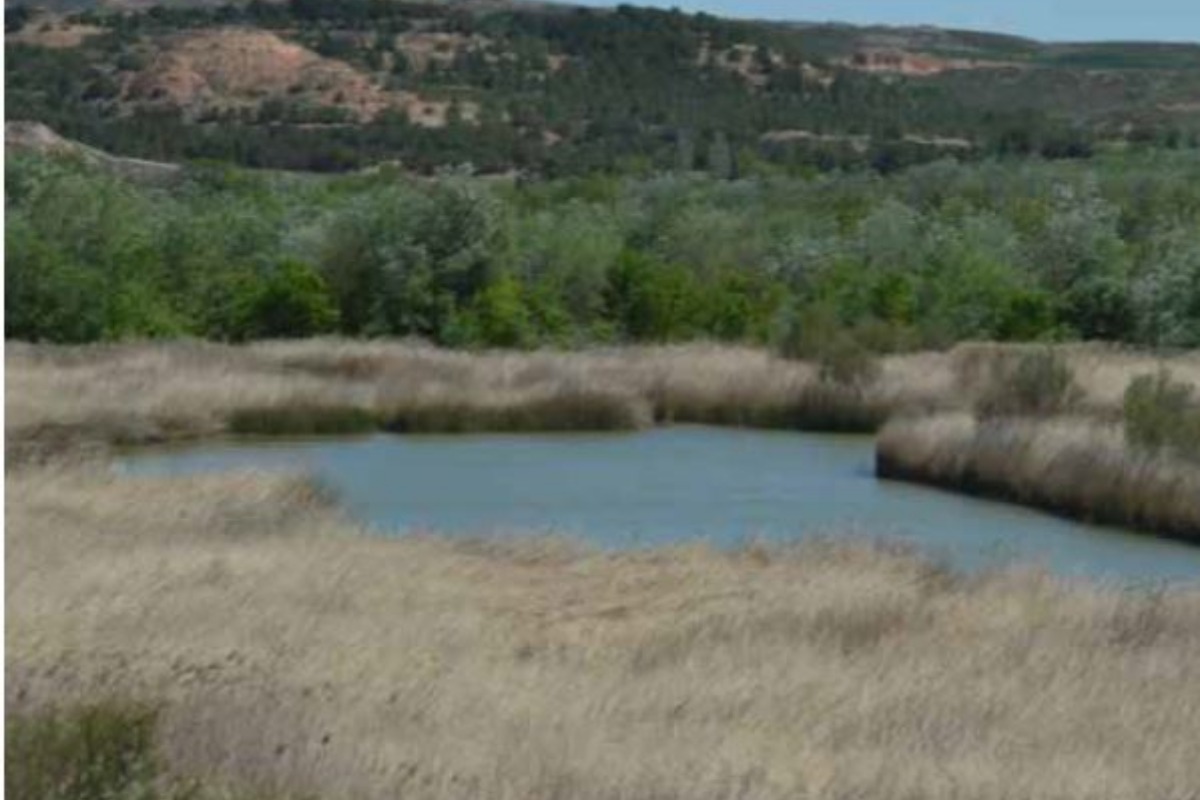
The alluvial ecosystems, or coppices, constitute a diverse and rich terrestrial habitat where it is possible to observe a great variety of local birds: wren, nightingale, purple heron, wryneck, black kite, turtle dove, kingfisher, bee-eater... It is worth highlighting the presence of fish such as carp, barbel and madrilla; amphibians and reptiles such as the green frog, the viperine snake and the pond turtle; and mammals such as the shrew, the vole, the genet, the fox and the wild boar.
We begin the route at Cerro de Santa Bárbara, a viewpoint overlooking the city of Tudela, the river, its orchards, and groves. After descending the hill, we enter the Mejana, a small expanse of micro-plotted orchards, cultivated since the Arab era and the source of our wonderful typical Tudela garden products (asparagus, artichokes, lettuce hearts, borage, broad beans, etc.). From here, we reach the foot of the Las Norias Dam. We continue towards the Soto de los Tetones, currently occupied by extensive rice fields.
The alluvial ecosystems, or coppices, constitute a diverse and rich terrestrial habitat where it is possible to observe a great variety of local birds: wren, nightingale, purple heron, wryneck, black kite, turtle dove, kingfisher, bee-eater... It is worth highlighting the presence of fish such as carp, barbel and madrilla; amphibians and reptiles such as the green frog, the viperine snake and the pond turtle; and mammals such as the shrew, the vole, the genet, the fox and the wild boar.
Destacado
Desactivado