Imagen principal
Dirección
Cerro de Santa Bárbara
Galería de imágenes
Categoría
Ubicación
42.06665, -1.60643
Descripción corta
Origin of the settlement of the city of Tudela.
Descripción larga
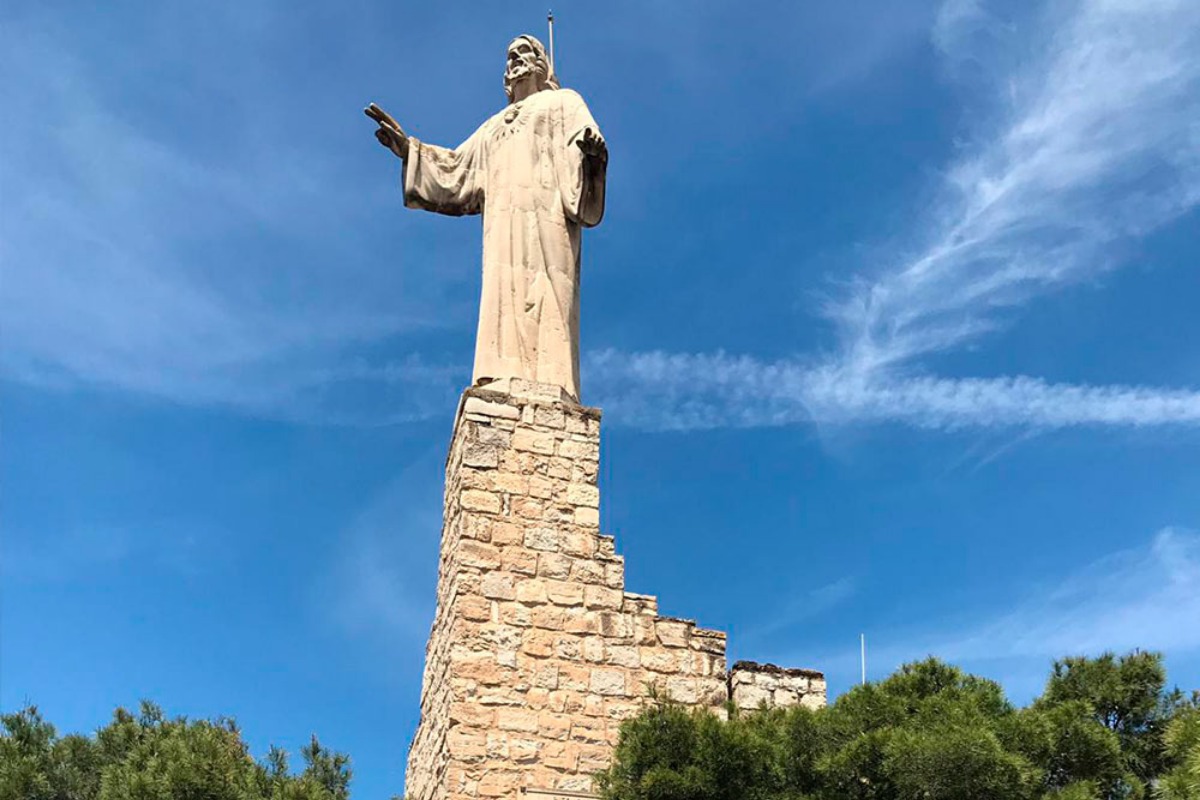
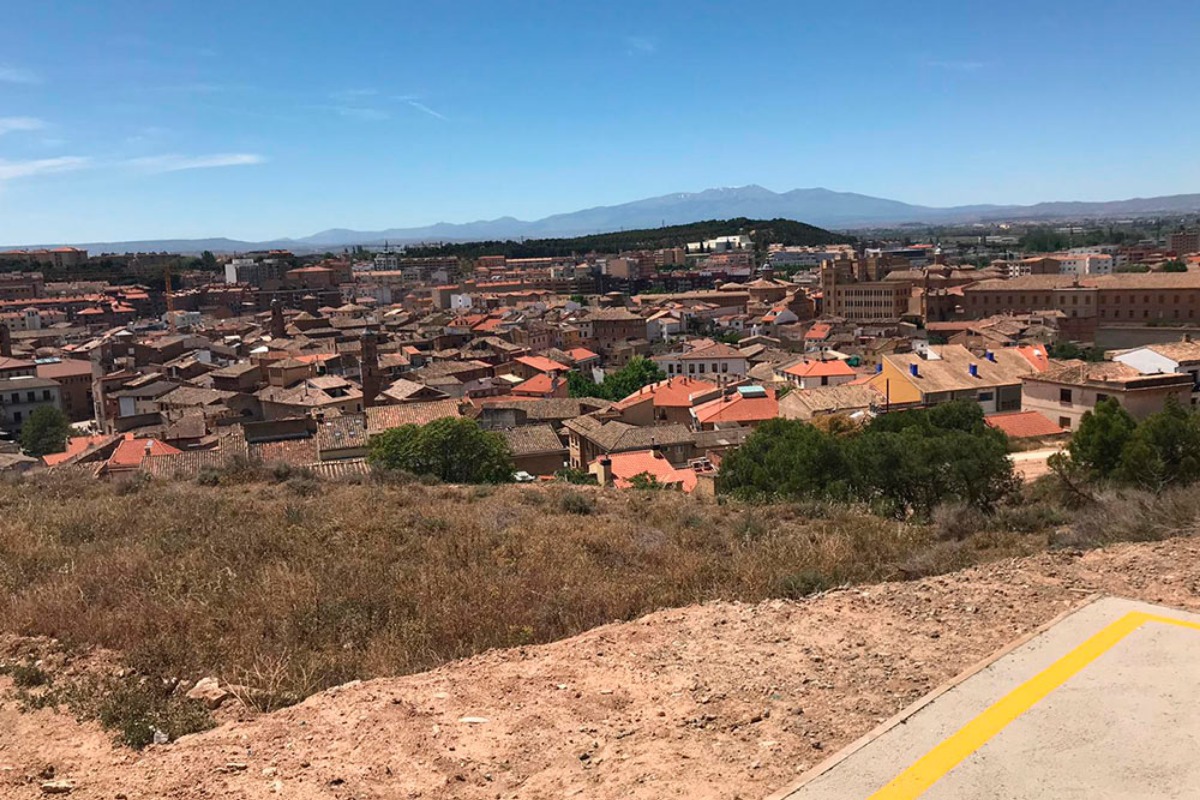
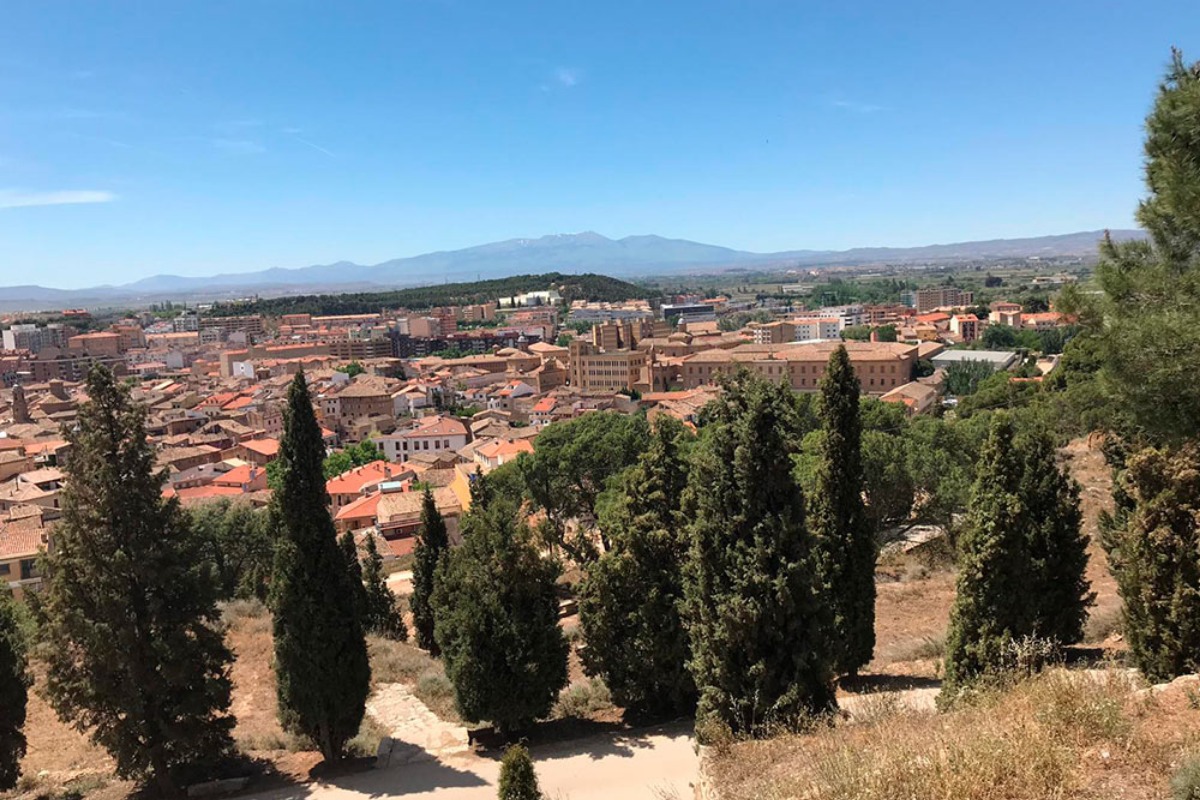
Santa Bárbara Hill is one of the most complete and important archaeological sites in Navarre. It is the origin of settlement in the city of Tudela, with remains found dating back to the 9th century BC. With varying degrees of importance, its population continued until the arrival of the Arabs in the 8th century, when a strategic castle or citadel was built. After the Christian reconquest in 1119, the citadel was gradually replaced by a new castle, with its own walls, behind which the new Jewish quarter was built starting in 1170. After the expulsion and conversion of the Jews, and the conquest of Navarre by Castile in the 16th century, the Jewish quarter and castle began a process of dismantling to reclaim their building materials, so much so that today their remains are barely visible. Archaeological excavations have uncovered sections of the outer perimeter and some walls of dwellings in the Jewish quarter. At its summit, only part of the main tower remains, converted into the Hermitage of Santa Bárbara. The currently preserved building, which houses the monument to the Sacred Heart of Jesus, is the center of a 19th-century military fort, which still houses the water cistern that once lay beneath the keep.
Tudela Castle was to consist of a strong core at the top, with a free-standing central tower, around which a parade ground would be located, forming a platform raised by powerful terraced walls, with four towers at its corners. The palace, garrison, and warehouses would be located around its perimeter. A long way from this core, a new wall was built, marked by towers with sloping walls and a defensive ditch formed by seven-meter-wide earthen slopes. The new Jewish quarter will be located between this outer wall and the core of the castle. These walls appear to have been built very quickly, as evidenced by the fact that they are made of a formwork of small stones held together with mortar, which is why they have not been as damaged as those made with large ashlars. Only in the lowest part were well-squared ashlars placed. These powerful walls, which between the ditch wall and the raised area could have measured up to 15 meters high in some places, acted as large terrace walls, which softened the interior orography of the Jewish quarter.
The walled enclosure of Tudela Castle was very large because it was built to house the Jewish population within its walls, fearing reprisals from the Christian population at the end of Muslim rule. Sancho VI, the Wise, began the construction of these walls, granting the Jews privileges and a new place to live. Of the fortifications discovered, this tower stands out, discovered in 1997. It is a bestorre, a tower that is not closed on the inside, making it impossible for the enemy to fortify itself if it is captured. Its structure shows several phases of construction. The oldest corresponds to the original 12th-century tower, with a sloping wall of small ashlars. In the 14th century, a new tower was built, cementing it on the remains of the previous one, which would now have a vertical wall. Between the two phases, another construction can be seen, with better-quality ashlars, also sloping, which joined the lower parts of the towers, forming a narrow barbican at the top. This new wall would also protect the base of the walls from water runoff from the moat, on a hill whose clays have always been a problem for buildings.
Tudela had two Jewish quarters during the Middle Ages. The Old Jewish Quarter is located in the lower part of the city, on the eastern side, next to the wall that borders the Ebro River, during the period of Muslim rule. The New Jewish Quarter began in 1170 when King Sancho VI the Wise confirmed the Jewish rights and granted them a new place to live, fearing attacks by the Christian population. This new place was located under the protection of the castle and protected by a large walled enclosure. After the expulsion of the Jews from the Kingdom of Navarre in 1498, the Jewish quarter was abandoned. In 2004, part of a house in this Jewish quarter was located, featuring a cellar with a stone vault. Its filling was garbage that was being dumped in an area of ruined houses. The high quality of the ceramics found indicates that they must have come from the palace core of the castle, which still had a few decades of life left. The excavation of this winery also revealed a water tank with tall, narrow steps.
The urban layout in this steeply sloping area was formed by stepped terraces that descended to the wall surrounding the city; all this urban layout has been lost due to erosion, as the retaining walls, houses, and the walls themselves were dismantled following the conquest of Navarre by Castilian troops in 1522. The castle and Jewish quarter served as a foundation for the city of Tudela in later centuries.
Tudela Castle was to consist of a strong core at the top, with a free-standing central tower, around which a parade ground would be located, forming a platform raised by powerful terraced walls, with four towers at its corners. The palace, garrison, and warehouses would be located around its perimeter. A long way from this core, a new wall was built, marked by towers with sloping walls and a defensive ditch formed by seven-meter-wide earthen slopes. The new Jewish quarter will be located between this outer wall and the core of the castle. These walls appear to have been built very quickly, as evidenced by the fact that they are made of a formwork of small stones held together with mortar, which is why they have not been as damaged as those made with large ashlars. Only in the lowest part were well-squared ashlars placed. These powerful walls, which between the ditch wall and the raised area could have measured up to 15 meters high in some places, acted as large terrace walls, which softened the interior orography of the Jewish quarter.
The walled enclosure of Tudela Castle was very large because it was built to house the Jewish population within its walls, fearing reprisals from the Christian population at the end of Muslim rule. Sancho VI, the Wise, began the construction of these walls, granting the Jews privileges and a new place to live. Of the fortifications discovered, this tower stands out, discovered in 1997. It is a bestorre, a tower that is not closed on the inside, making it impossible for the enemy to fortify itself if it is captured. Its structure shows several phases of construction. The oldest corresponds to the original 12th-century tower, with a sloping wall of small ashlars. In the 14th century, a new tower was built, cementing it on the remains of the previous one, which would now have a vertical wall. Between the two phases, another construction can be seen, with better-quality ashlars, also sloping, which joined the lower parts of the towers, forming a narrow barbican at the top. This new wall would also protect the base of the walls from water runoff from the moat, on a hill whose clays have always been a problem for buildings.
Tudela had two Jewish quarters during the Middle Ages. The Old Jewish Quarter is located in the lower part of the city, on the eastern side, next to the wall that borders the Ebro River, during the period of Muslim rule. The New Jewish Quarter began in 1170 when King Sancho VI the Wise confirmed the Jewish rights and granted them a new place to live, fearing attacks by the Christian population. This new place was located under the protection of the castle and protected by a large walled enclosure. After the expulsion of the Jews from the Kingdom of Navarre in 1498, the Jewish quarter was abandoned. In 2004, part of a house in this Jewish quarter was located, featuring a cellar with a stone vault. Its filling was garbage that was being dumped in an area of ruined houses. The high quality of the ceramics found indicates that they must have come from the palace core of the castle, which still had a few decades of life left. The excavation of this winery also revealed a water tank with tall, narrow steps.
The urban layout in this steeply sloping area was formed by stepped terraces that descended to the wall surrounding the city; all this urban layout has been lost due to erosion, as the retaining walls, houses, and the walls themselves were dismantled following the conquest of Navarre by Castilian troops in 1522. The castle and Jewish quarter served as a foundation for the city of Tudela in later centuries.
Destacado
Desactivado