Descripción corta
From July 24 to 30
Descripción larga
The extroverted riverside character is perfectly reflected in our folklore and in the spirit, charm, vivacity and strength of our festivals.
From July 24 to 30, the Patron Saint Festivities of Tudela are celebrated, in honor of Santa Ana (July 26), declared of tourist interest.
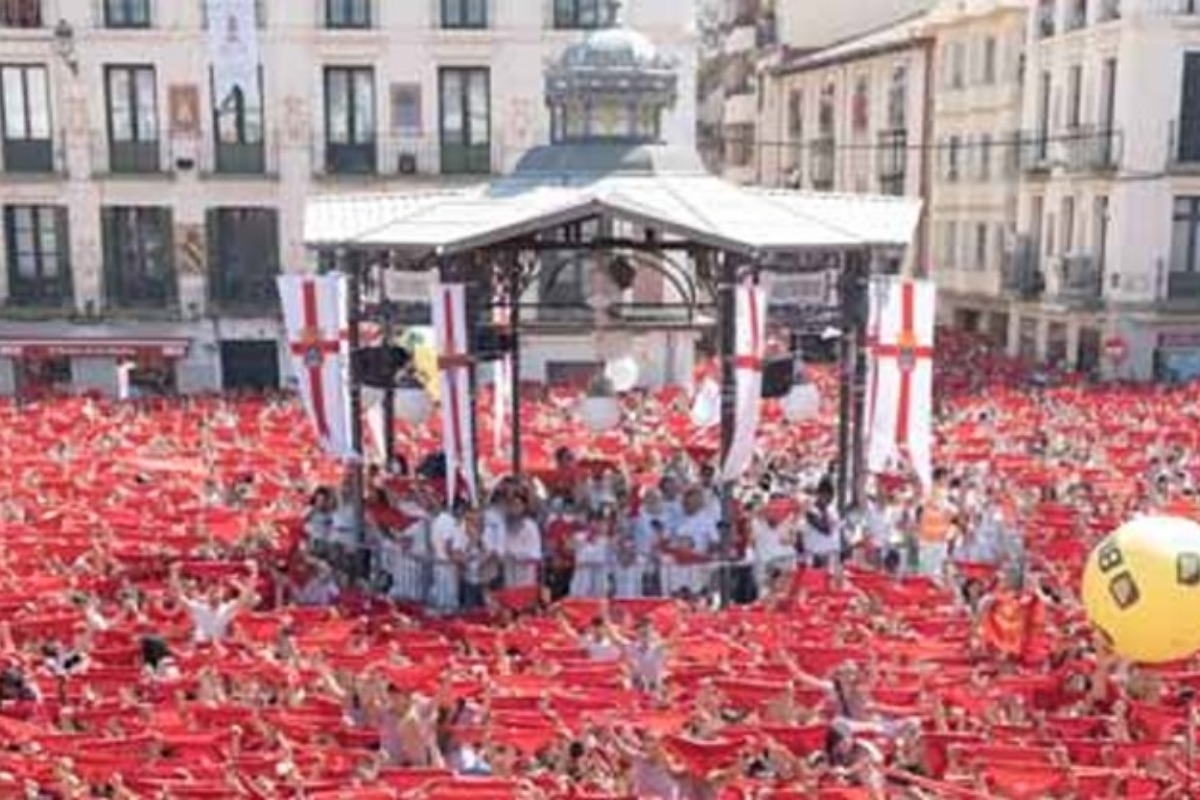
On July 24, the rocket dyes Tudela red and white for 7 long days, and after the magical words of 'Tudelanos!, Tudelanas!, Viva Tudela!, Viva Santa Ana!', the crowd, which fills the Plaza de los Fueros with the smell of celebration, begins to jump.
A dense and popular festive program allows citizens and visitors to be put into a 'trance' by filling the street with the music of the brass bands from the clubs, the main protagonists of the festivities due to their presence and organization of specific events.
The Bullfighting Fair, the Gigantada with the Procession of Santa Ana and the Revoltosa mark milestones in the course of the festival.
The Revoltosa:
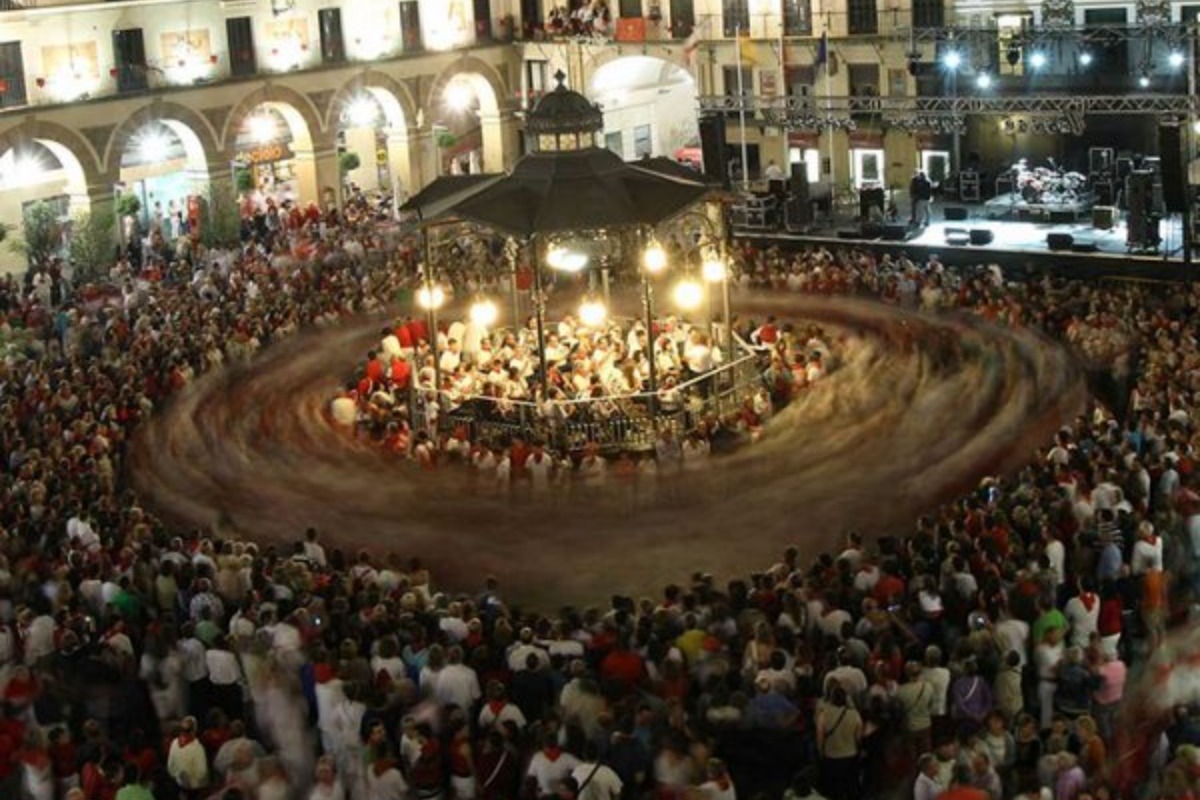
La Revoltosa is a dance that has its origins in 1928; It is danced around the kiosk and its three rhythms test the mettle and vigor of the participants in contrast to the resistance of the members of the Municipal Band, to the point that the Plaza de los Fueros seems to go crazy.
The Processions:
Tudela celebrates three processions during the Santa Ana festivities:
1.- The first takes place on July 25, in honor of the Apostle Santiago. The tour takes place through the Old Town of the city.
In the past, an image was taken that was not the statue of Santiago, but that of Saint John that John II, king of Navarra, gave to the brotherhood of Santiago. This brotherhood comes from the old medieval hospital of Santiago Apóstol, located in the Old Town, on the street that bears the name of the saint, close to the walls and the Camino Real through which passers-by accessed Tudela.
In the 18th century it was decided to transform the image. A second outstretched right arm wielding a sword, a brimmed hat, and a parchment tunic with shells were placed on it.
One of the elements to highlight is the Banner of Santiago, which is very tall and is sometimes also carried in the Santa Ana procession. Another of the most notable elements is the shortlist that dates back to the 17th or 18th century.
Since the beginning of the 20th century, the procession started from the Convent of the Poor Clares located in the current Plaza de Sancho El Fuerte. When they moved the convent to another remote area, the procession moved to the Cathedral.
Since 2002 and until the rehabilitation works of the cathedral are finished, the procession will leave and end at the Church of San Jorge.
2.- The second, on July 26, is celebrated in honor of Santa Ana La Vieja. The departure is from the Magdalena Church and runs through the streets of the Old Town of the city.
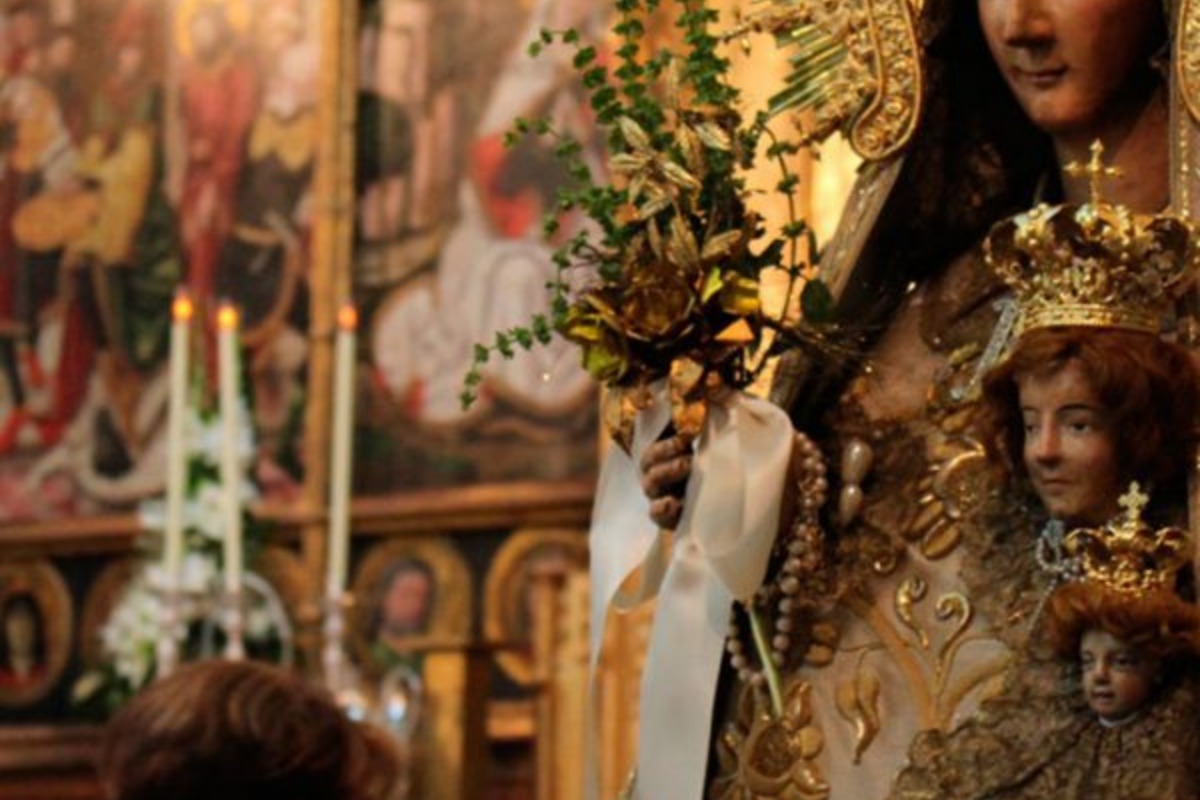
3.- The third is the most significant and is carried out in honor of the Patroness of Tudela.
Saint Anne was named Patroness of the city in 1530. On that date the towns of the Merindad were devastated by the plague. Several streets were closed, houses were fumigated and well-to-do people fled Tudela. The people, in desperate recourse, went to Saint Anne. They held a mass called 'Salud' and subsequently made a vow to the saint to perpetually celebrate her feast and take her in a procession if she freed her city from the scourge of the disease.
According to a letter that the City Council addressed to the viceroy in 1531, Santa Ana was named patron saint of Tudela, replacing San Pedro Ad-Vincula, in gratitude for freeing the capital of the Ribera from the plague.
In 1727 the City Council decided that no images other than that of Saint Anne should appear in the procession, but it should be the one that is venerated and placed in the main festival. Thus, she is placed on the pedestal and carried on the shoulders of four priests. From 1817 to 1863 the Franciscans were the bearers of the image, until it was agreed that laymen in tunics should carry it. This custom is still in force today.
The Fire Bull:
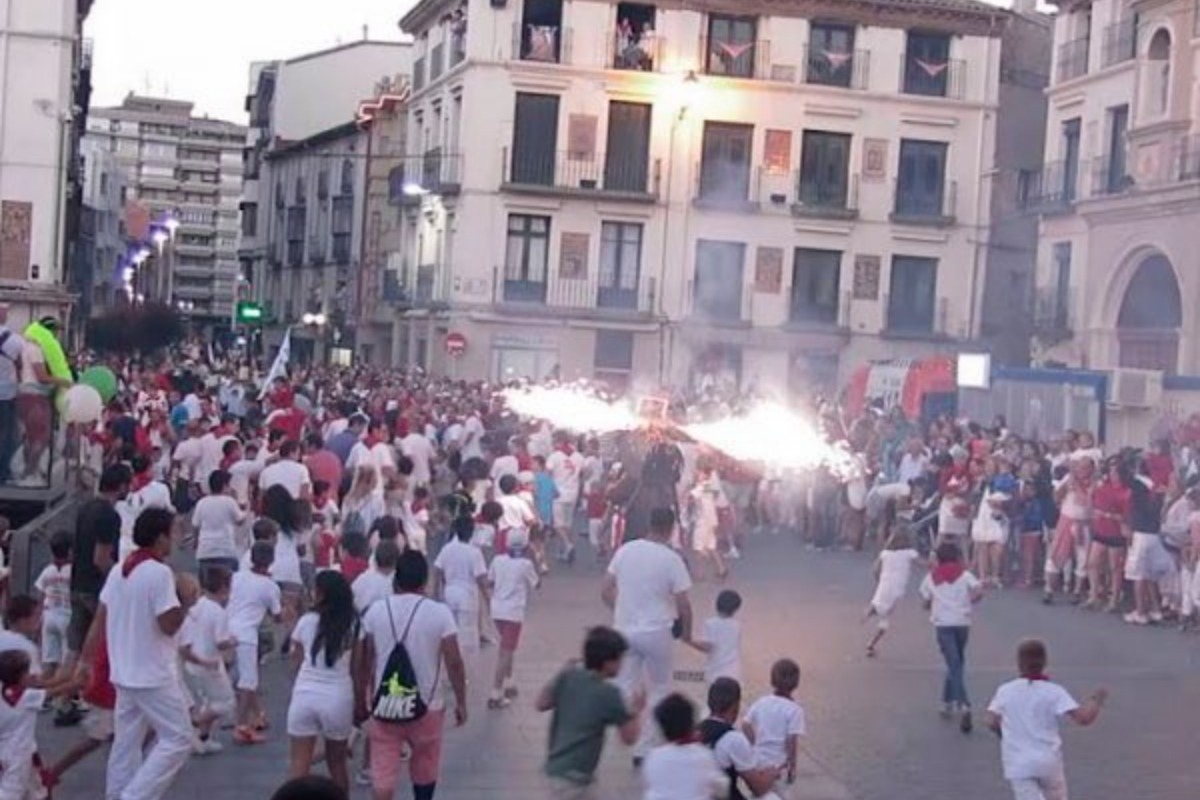
The fire bull began to be established in Tudela within the festive program since 1972. Before that date he toured the Plaza Nueva, the Carrera and the Wall, on the last day of the festivities, but from then on his outings took place every day.
This popular custom does not have its origin in Tudela. It is known that in some localities there was a habit of releasing a live bull through the streets on the last night of the patron saint festivities, with a tarred torch attached to each horn. At a certain moment the torches were lit and the bull died shortly after.
This custom evolved over the years. The torches were replaced by fireworks. Later, they placed a tied fire blanket on it and let it go until the rockets and bombs ran out or the animal fell writhing from the pain of the burns.
This barbaric custom has now ended and the live bull has been replaced by a metal frame with a simulated head and horns.
The Giant:
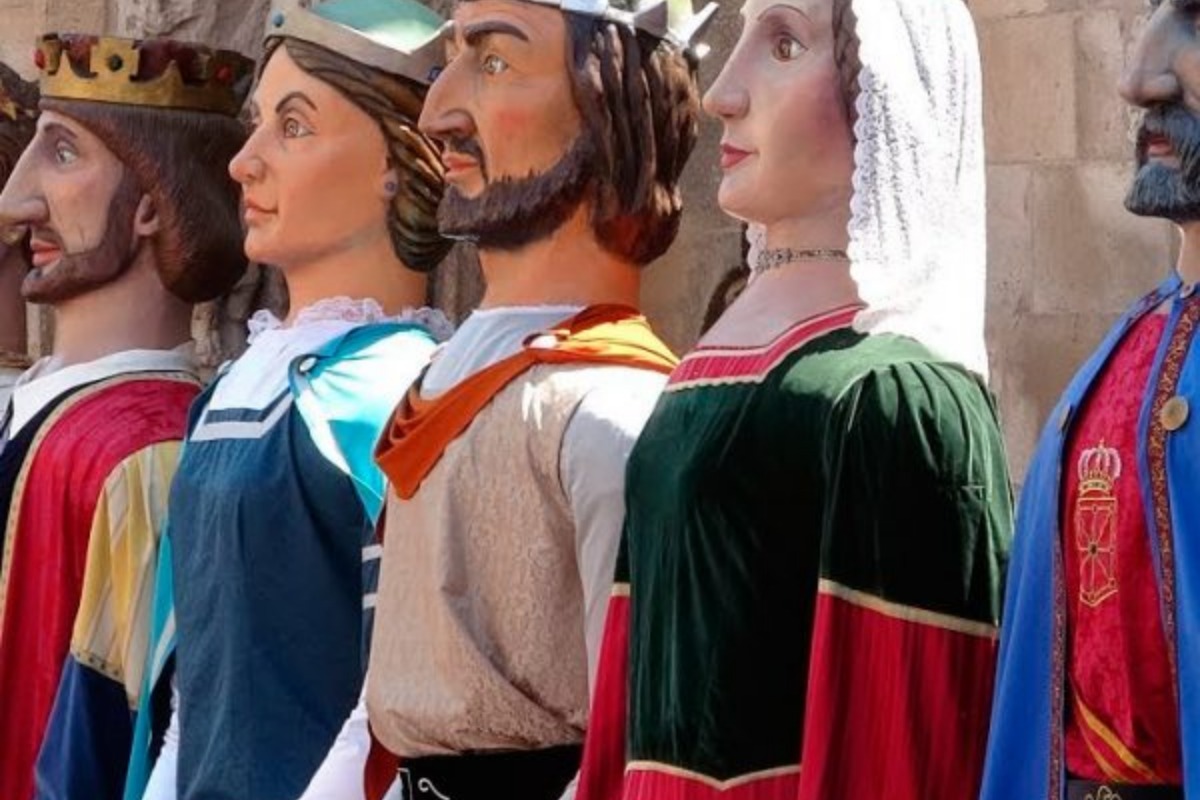
The 'Gigantada' is another of the most traditional acts of the patron saint festivities of Santa Ana. Its beginning took place in 1971 and its success is such that many localities have incorporated it into their respective festivities. It is organized by the Order of Volatín, made up of people who want traditions and popular culture not to be lost.
From July 24 to 30, the Patron Saint Festivities of Tudela are celebrated, in honor of Santa Ana (July 26), declared of tourist interest.
On July 24, the rocket dyes Tudela red and white for 7 long days, and after the magical words of 'Tudelanos!, Tudelanas!, Viva Tudela!, Viva Santa Ana!', the crowd, which fills the Plaza de los Fueros with the smell of celebration, begins to jump.
A dense and popular festive program allows citizens and visitors to be put into a 'trance' by filling the street with the music of the brass bands from the clubs, the main protagonists of the festivities due to their presence and organization of specific events.
The Bullfighting Fair, the Gigantada with the Procession of Santa Ana and the Revoltosa mark milestones in the course of the festival.
The Revoltosa:
La Revoltosa is a dance that has its origins in 1928; It is danced around the kiosk and its three rhythms test the mettle and vigor of the participants in contrast to the resistance of the members of the Municipal Band, to the point that the Plaza de los Fueros seems to go crazy.
The Processions:
Tudela celebrates three processions during the Santa Ana festivities:
1.- The first takes place on July 25, in honor of the Apostle Santiago. The tour takes place through the Old Town of the city.
In the past, an image was taken that was not the statue of Santiago, but that of Saint John that John II, king of Navarra, gave to the brotherhood of Santiago. This brotherhood comes from the old medieval hospital of Santiago Apóstol, located in the Old Town, on the street that bears the name of the saint, close to the walls and the Camino Real through which passers-by accessed Tudela.
In the 18th century it was decided to transform the image. A second outstretched right arm wielding a sword, a brimmed hat, and a parchment tunic with shells were placed on it.
One of the elements to highlight is the Banner of Santiago, which is very tall and is sometimes also carried in the Santa Ana procession. Another of the most notable elements is the shortlist that dates back to the 17th or 18th century.
Since the beginning of the 20th century, the procession started from the Convent of the Poor Clares located in the current Plaza de Sancho El Fuerte. When they moved the convent to another remote area, the procession moved to the Cathedral.
Since 2002 and until the rehabilitation works of the cathedral are finished, the procession will leave and end at the Church of San Jorge.
2.- The second, on July 26, is celebrated in honor of Santa Ana La Vieja. The departure is from the Magdalena Church and runs through the streets of the Old Town of the city.
3.- The third is the most significant and is carried out in honor of the Patroness of Tudela.
Saint Anne was named Patroness of the city in 1530. On that date the towns of the Merindad were devastated by the plague. Several streets were closed, houses were fumigated and well-to-do people fled Tudela. The people, in desperate recourse, went to Saint Anne. They held a mass called 'Salud' and subsequently made a vow to the saint to perpetually celebrate her feast and take her in a procession if she freed her city from the scourge of the disease.
According to a letter that the City Council addressed to the viceroy in 1531, Santa Ana was named patron saint of Tudela, replacing San Pedro Ad-Vincula, in gratitude for freeing the capital of the Ribera from the plague.
In 1727 the City Council decided that no images other than that of Saint Anne should appear in the procession, but it should be the one that is venerated and placed in the main festival. Thus, she is placed on the pedestal and carried on the shoulders of four priests. From 1817 to 1863 the Franciscans were the bearers of the image, until it was agreed that laymen in tunics should carry it. This custom is still in force today.
The Fire Bull:
The fire bull began to be established in Tudela within the festive program since 1972. Before that date he toured the Plaza Nueva, the Carrera and the Wall, on the last day of the festivities, but from then on his outings took place every day.
This popular custom does not have its origin in Tudela. It is known that in some localities there was a habit of releasing a live bull through the streets on the last night of the patron saint festivities, with a tarred torch attached to each horn. At a certain moment the torches were lit and the bull died shortly after.
This custom evolved over the years. The torches were replaced by fireworks. Later, they placed a tied fire blanket on it and let it go until the rockets and bombs ran out or the animal fell writhing from the pain of the burns.
This barbaric custom has now ended and the live bull has been replaced by a metal frame with a simulated head and horns.
The Giant:
The 'Gigantada' is another of the most traditional acts of the patron saint festivities of Santa Ana. Its beginning took place in 1971 and its success is such that many localities have incorporated it into their respective festivities. It is organized by the Order of Volatín, made up of people who want traditions and popular culture not to be lost.
Imagen principal
Galería de imágenes
Orden
6